upholstery, suspension seats, material for Citroën 2CV 2CV6
24 Articles


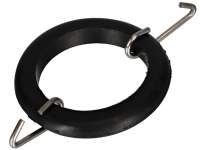
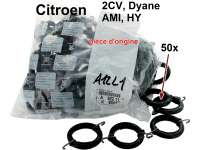
Rubber ring with hook, for the upholstery of the seats. 50 pieces! Very good quality from the
original manufacturer. These rubber rings are slightly more elastic, softer, than the replica rubber rings (18026). Suitable for Citroen 2CV, Dyane, HY. Or. No. A922114.
Rubber ring with hook, for upholstering the seats. Per piece. Replica. Suitable for Citroen 2CV
Dyane, HY. The replica rubber rings are somewhat tighter, harder, than the original rubber 18442. Or. No. A922114. In the 2CV seat there are 22 rubbers in the lower seat and 26 rubbers in the backrest. There are approx. 100 rubbers in a seat bench.
Belt conversion kit suitable for the backrest (for 1 seat in front), for Citroen 2CV. The belts
renewed the rubbers and the jute cover underneath the upholstery. Note: The belts are only for the backrest. For the seat face you require our number 18099. Made in Germany
 PDF FILE
Belt conversion kit suitable for the backrest of the rear seat bench, for Citroen 2CV. The belts
renewed the rubbers and the jute cover underneath the upholstery. Note: The belts are only for the backrest. For the seat face you require our number 18253. Contents: 2x 37cm belt, 2x 40cm belt, 2x 41cm belt, 18x 42cm belt. Made in Germany
Belt conversion kit suitable for the seat face (for 1 seat in front), for Citroen 2CV. The belts
renewed the rubbers and the jute cover underneath the upholstery. The belts give a tauter seat face. Note: The belts are only for the seat face. For the backrest you require our number 18100. Made in Germany
Belt conversion kit suitable for the seat face of the rear seat bench, for Citroen 2CV. The belts
renewed the rubbers and the jute cover underneath the upholstery. The belts give a tauter seat face. Note: The belts are only for the seat face. For the backrest you require our number 18254. Contents: 16 x 42cm belt + 6x 43cm belt. Made in Germany
Under cover made of sturdy cotton fabric, for 2 seats in the front! The jute cover has been
replaced by a sturdy cotton fabric. You sit a little tighter and the bottom cover does not tear so quickly. The set is suitable for 2 front seats!!! Made in Germany
Jute clamping cover with lateral iron wire. (The cover is mounted under the seat face + backrest)
1 complete set suitable for 1 seat. Suitable for Citroen 2CV.
Jute clamping cover with lateral iron wire. (The cover is mounted under the seat face + backrest)
1 complete set bench front, and + 1x seat bench rear (8 pieces). Suitable for Citroen 2CV + Dyane. Made in Europe.
Jute clamping cover with lateral iron wire. (The cover is mounted under the seat face + backrest)
1 complete set for 2x seat in front + 1x seat bench rear (8 pieces). Suitable for Citroen 2CV + Dyane. Made in Europe.
Jute clamping cover with lateral iron wire. (The cover is mounted under the seat face + backrest)
1 complete set is for 1 seat bench. Suitable for Citroen 2CV. Fits for symetric and asymetric bench.
Clip (200 fittings) for the coverings. Suitable for Citroen, Peugeot, Renault. If the seats are
again upholstered, this clip is required. The suitable pliers have our number 18084.

Hog Rings (500 per pack) for 21048 automatic pliers (coverings). Suitable for Citroen, Peugeot
Renault. The suitable pliers have our number 21048.
Clip for the securement of the coverings at the seat frame. (slide-on clamp with hooks). Suitable
for citroen 2CV, Dyame, Ami, DS, HY.
Hog Ring Pliers for use with A7 Hog Rings (Part No 21049). Complete with automatic feed. Ideal for
continuous connections. Single handed operation. Ideal for upholstery on classic cars.

Hog ring plier for the mounting of coverings (workshop quality). With this pliers the hog ring`s
18420 are optimally treated.

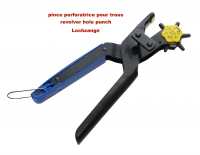
Revolver hole punch. For diameters of: 2.0 + 2.5 + 3.0 + 4 + 4.5 mm. The lever ratio requires less
effort. These hole punches are actually known for belt holes. However, we use them to punch holes in the jute tensioning cover under the seat covers in the Citroën 2CV or Dyane. This makes it much easier to install the tensioning rubbers.
Foam material set, for 1 seat, to upholster the seat! Suitable for Citroen 2CV, Dyane. (2x foam
material plate 15x580x580mm). Made in Germany
Foam material set, for 1 seat bench, to upholter the bench. The set fits on the front or rear seat
bench, for Citroen 2cv + Dyane. (2x foam material plate 1200x600x15mm). Made in Germany
Under cover from strengthened plastic fabric (for the seat + backrest). Suitable for Citroen 2CV
This cover is mounted instead of the jute covers.
Undercover made of reinforced plastic fabric - seat bench front or rear (for the seat + backrest)
Suitable for Citroen 2CV. This cover is fitted instead of the jute covers. The plastic fabric is much more durable.
24 Articles
Citroën 2CV Seats: Weak Points, Seat Rubbers, and Seatbelt Conversion Kits
Weak Points of the Seats
The "2CV" is famous for its hammock-like comfort, which, however, has some technical quirks:
- Seat rubber rings: The rubber rings that hold the fabric to the frame become brittle and tear. There are about 44 rubber rings per seat and 88 per bench.
- Jute Underlay: The original jute layer beneath the foam often rots or stretches significantly. There are various replacement options available: classic jute mats, versions made of sturdy cotton fabric, or plastic. A special feature is our seatbelt conversion kits—for both the seat cushions and the backrests of the front seats, as well as for the front and rear bench seats.
- Seat frame: The thin tubular frames can break at the weld seams, especially on the early front bench seats. But the single seat also often tears at the seat rail mounting.
Installing the seat rubber mounts is one of the most tedious tasks on the 2CV, but with the right technique, you’ll save yourself blisters on your fingers and a lot of frustration.
The most important tool
Never try to do this with just your fingers. You need leverage:
- The classic method: Use a sturdy, wide flathead screwdriver.
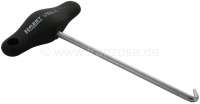
- The pro tip: A blunt butcher’s hook or a hook you bend yourself from an old, thick screwdriver works even better, since the rubber doesn’t slip off as easily.
The most efficient approach
- Follow the steps: First, hook the rubber onto the jute mat. This is the movable part.
- Apply leverage: Insert the screwdriver into the free end of the rubber and rest the tip of the screwdriver against the seat frame.
- Lever it over: Use the screwdriver to lever the elastic over the edge of the frame until it slides into the hole or over the hook into the hole in the seat frame.
- Maintain symmetry: Don’t work from one side to the other. Start at the four corners, then move to the center of each side. This ensures the fabric is evenly tensioned and doesn’t warp.
Pro tips for less effort
- Warm up the elastic: Place the elastic rings in a bowl of warm water with a splash of dish soap beforehand. This makes the material much more pliable and slippery for a short time.
- Second person: If someone pulls the fabric toward you while you’re levering, you’ll save a lot of energy.
- Gloves: Wear thin, rubberized work gloves. They prevent slipping and provide a better grip on the tool.
A quick tip to finish: When replacing the rubber rings, be sure to check the jute mat or the seat cushion. If it’s worn out, new rubber rings won’t help—you’ll still end up sitting “in the basement.”
Improving Citroën 2CV seating comfort: Seat belt conversion kits
Improvements for seating comfort and back support!
The strap conversion kits are a modern alternative to the classic rubber rings.
While the original rubber rings create the typical “hammock effect,” straps provide a more stable base.
What’s the difference?
Instead of the approximately 44 to 50 individual rubber rings per seat that hold a jute or linen mat in place, the conversion kit uses wide upholstery straps that are hooked directly into the seat frame—similar to modern sofas or aircraft construction.
- Material: These are approx. 50 to 60 mm wide, elastic upholstery straps with a defined stretch of about 30%.
- Installation: The straps are attached using the old hooks from the rubber rings. They replace both the rubber rings and the jute center panel.
Advantages of the straps
- Firmer seating feel: You sit significantly more firmly and “on” the seat rather than “in” it. The spongy feeling in corners is reduced, which many drivers find safer and more suitable for long-distance driving.
- Higher seating position: Since the straps give less than old rubber rings, you often sit a bit higher, which improves visibility.
- Durability: Padding straps made of synthetic fibers do not become brittle as quickly as rubber rings made of natural rubber, which often tear after just a few years.
- Customization: By removing individual straps or adjusting the tension, you can precisely tailor the firmness of the seat to your body weight.
Disadvantages and Considerations
- Loss of the “duck-like feel”: Purists criticize that the car loses some of its charming comfort due to the firmer seats, as the seats offer less natural damping over potholes.
- Appearance: While the straps are not visible under the seat cover, the original look is lost when you look under the seat.
In summary: If you use your 2CV frequently for daily driving or on trips and want to avoid back problems, the strap conversion kit is a highly recommended investment. For a pure museum piece, the classic rubber rings remain the first choice.
Should straps be used for both the seat cushion and the backrest, or is the seat cushion sufficient?
Yes, this is actually a very popular mixed configuration that many 2CV drivers prefer. Here’s why this is often the “happy medium”:
The “hybrid solution”: straps on the bottom, rubber rings on top
- Advantage of the seat (straps): The main problem with the 2CV is “sinking through” the seat on long drives. Straps in the seat prevent your buttocks from sinking all the way down to the crossbar of the seat frame. This protects your back and keeps you stable in curves.
- Advantage of the backrest (rubber pads): The load on the backrest is significantly lower. Here, the classic rubber pads provide the typical soft, supple feel against your back. Additionally, the rubber pads in the backrest often last significantly longer than those on the seat cushion, since they have to bear less weight.
What to keep in mind during installation
- Strap tension: If you use straps for the seat, make sure they are tight enough to maintain the shape of the foam pad, but not so tight that they bend the side tubes of the seat frame inward. This is a potential risk with very old or rusty frames.
- Transition: Make sure the transition between the hard seat and the softer backrest doesn’t create an uncomfortable edge. The new foam pad should smooth out this transition nicely.
A little insider tip for the look
If you’re worried that the difference will be noticeable: From the outside, it’s completely invisible once the fabric covers are in place. Only if you crawl under the seat will you see the modern straps.
 Select your Citroen


 Please select your Peugeot


 Please select your Citroen Renault