Citroën 2CV6 spare parts: Keep your duck in top shape
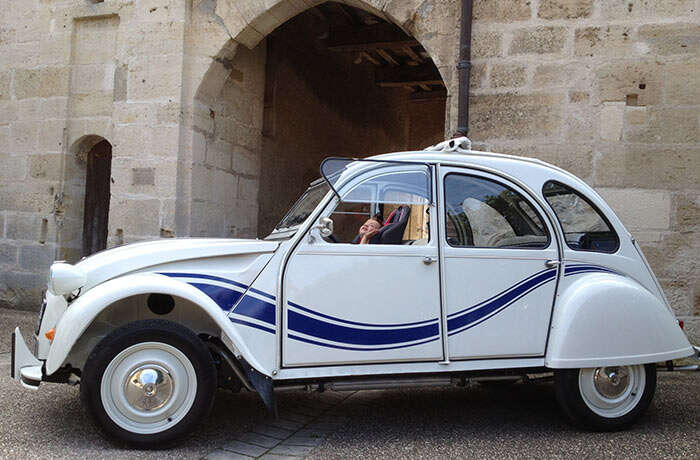
Who doesn't know the legendary Citroen Tin Snail? Also famous among the nicknames Ugly Duckling, Tortoise or Upside-down Pram. Citroën 2CV6 is more than just a car, it is a true piece of French history and cultural heritage. As the owner of this charming classic, you know that it also needs a bit of care from time to time and therefore also the right 2CV6 spare parts. Because what has to be done, has to be done.
The little niggles of a 2CV6
A classic like the 2CV6 can be a bit of a bitch. Here are two points you should pay attention to if you want your duck to have a long and fulfilling life:
Engine and Rust
The engine of the 2CV6 is robust, but can cause problems if poorly maintained:
- Oil cooler: If the engine is poorly maintained, it can get really dirty. The only thing that helps here is to clean it!
- Clattering noises: Can indicate loose valves or worn pushrods. Adjust the valves and keep an eye on the pushrods. However, if the clacking can't be ignored, this unfortunately points to piston seizure.
- Oil loss: This is completely normal around the distributor box, but a lot of oil loss indicates a defective oil filler neck.
The biggest enemy of the 2CV6 is rust. Both the chassis and the body have a few weak points that could really damage your Ente. The duck does not have a self-supporting body, as many vehicles have, but is built entirely on a vehicle frame (chassis). This vehicle frame is the supporting element of the duck. For cost reasons, this frame has a wonderfully simple and uncomplicated design! So there is plenty of room for problems here. The bodywork is no different. Whether it's the floor panels, the sloping pedal floor, the rear seatbelt attachment points or, typically, the boot floor. Don't let yourself be dazzled: Even a 2CV6 that looks super healthy on the outside often has a defective chassis! That's why we've written a complete buyer's guide with all the weak points of the general 2CV just for you! If you need help choosing the right 2CV6 spare parts, don't hesitate to write to us or call us directly.
Our recommendation
A vehicle with a good body is the best buy. Even if the chassis is defective or it has engine damage. For the chassis, we particularly recommend galvanised chassis (which you can also find here) and the mechanics are easy to repair. However, as we said above, the cost of the bodywork can really pinch your wallet. So always look for a good body! But once your 2CV6 is in good shape, supplied with the right spare parts and protected against rust, you have a very, very reliable car with character, low maintenance costs and super suspension comfort. You'll notice that when you're out and about in your 2CV, you'll lose some of the general hustle and bustle and stress!




 PDF FILE
  VIDEO
VIDEO 
 Select your Citroen


 Please select your Peugeot


 Please select your Citroen Renault